Learn The Technology
Understand building-integrated mining — the technology, the economics, and the integration options.
Resources
The Basics
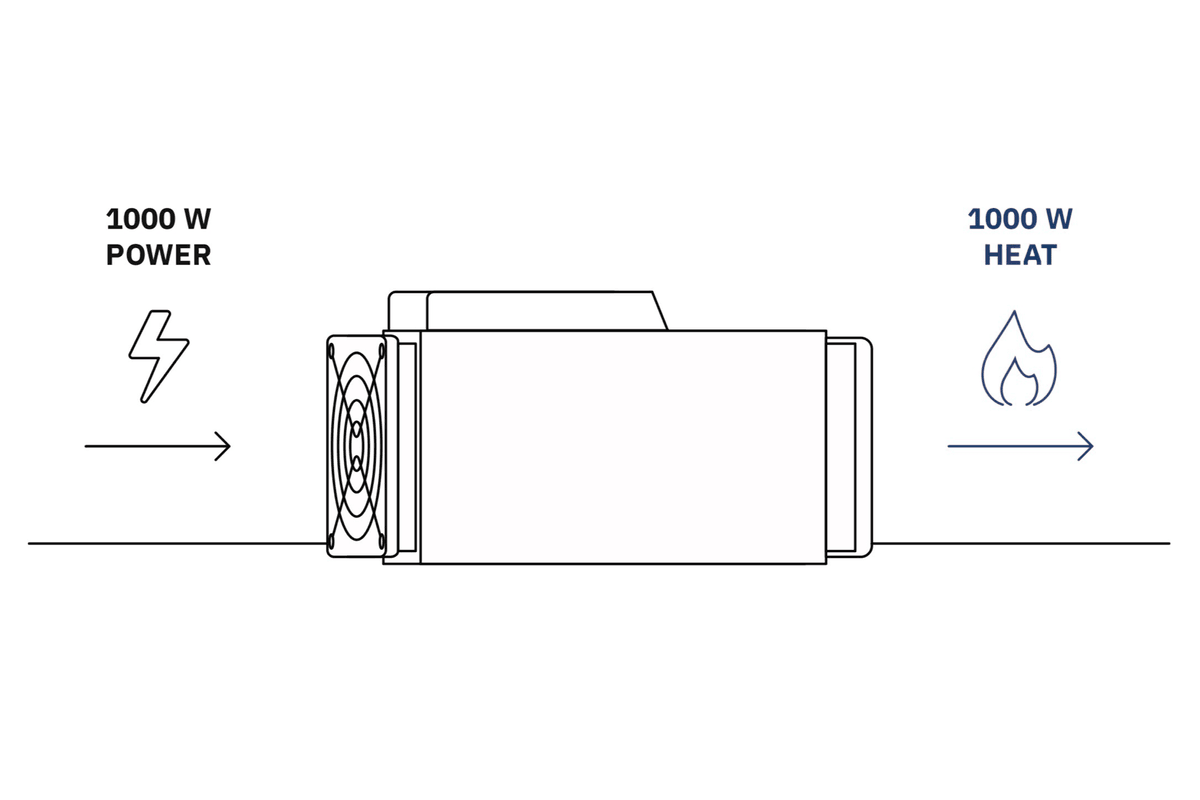
Electricity In - Heat Out
Every watt of electricity consumed by a Bitcoin miner becomes heat — 100% of it. This isn't a feature, it's physics. The same thermodynamic law that makes your laptop warm makes miners ideal heaters.
- 100% energy conversion efficiency
- No gas or liquid heating infrastructure
- Zero wasted energy
- Zero emissions
Open Monetary Protocol
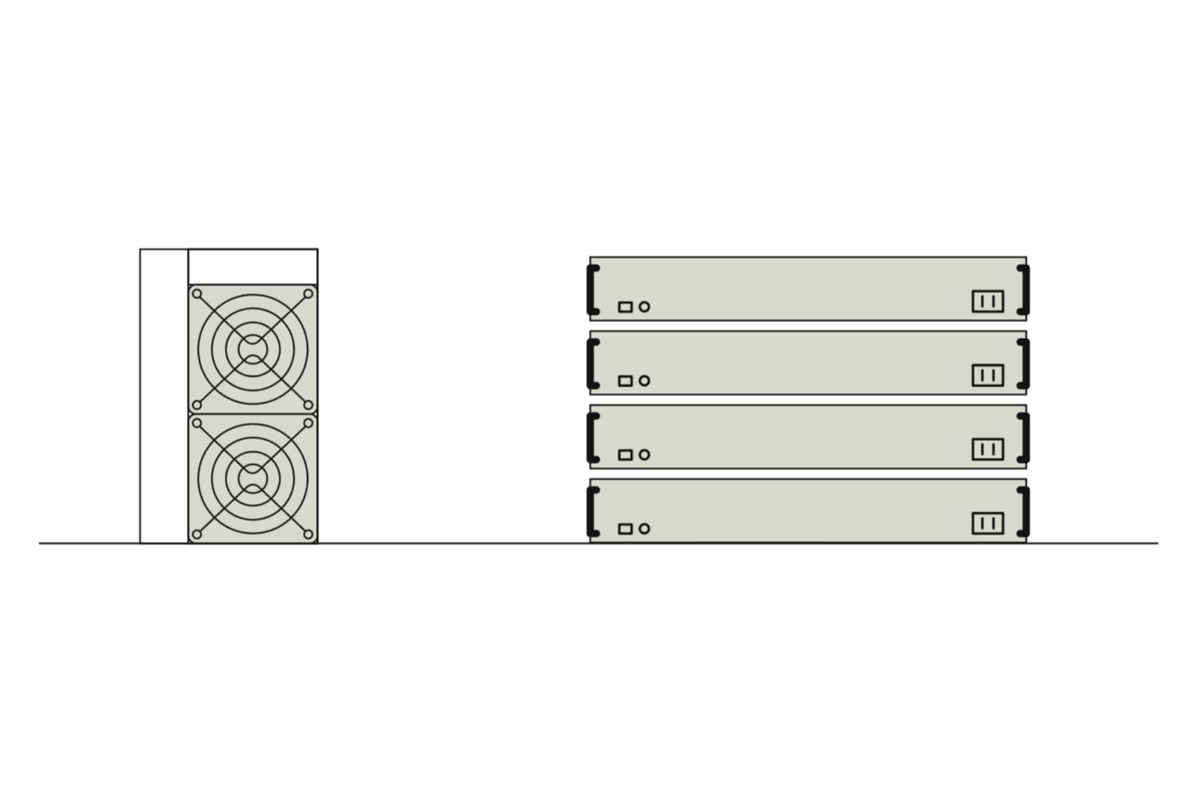
Bitcoin mining is an open protocol — like the internet, anyone can participate. Miners contribute energy to process Bitcoin transactions and earn rewards proportionally. The more heat your building needs, the more your miner runs, the more you earn.
- Anyone can participate - like anyone can use the internet
- Earnings are proportional to the work you contribute ~ heat demand
- Automated reward payouts in a nativie digital asset
- All the energy used to mine is converted to heat anyways
Building-Integrated Mining
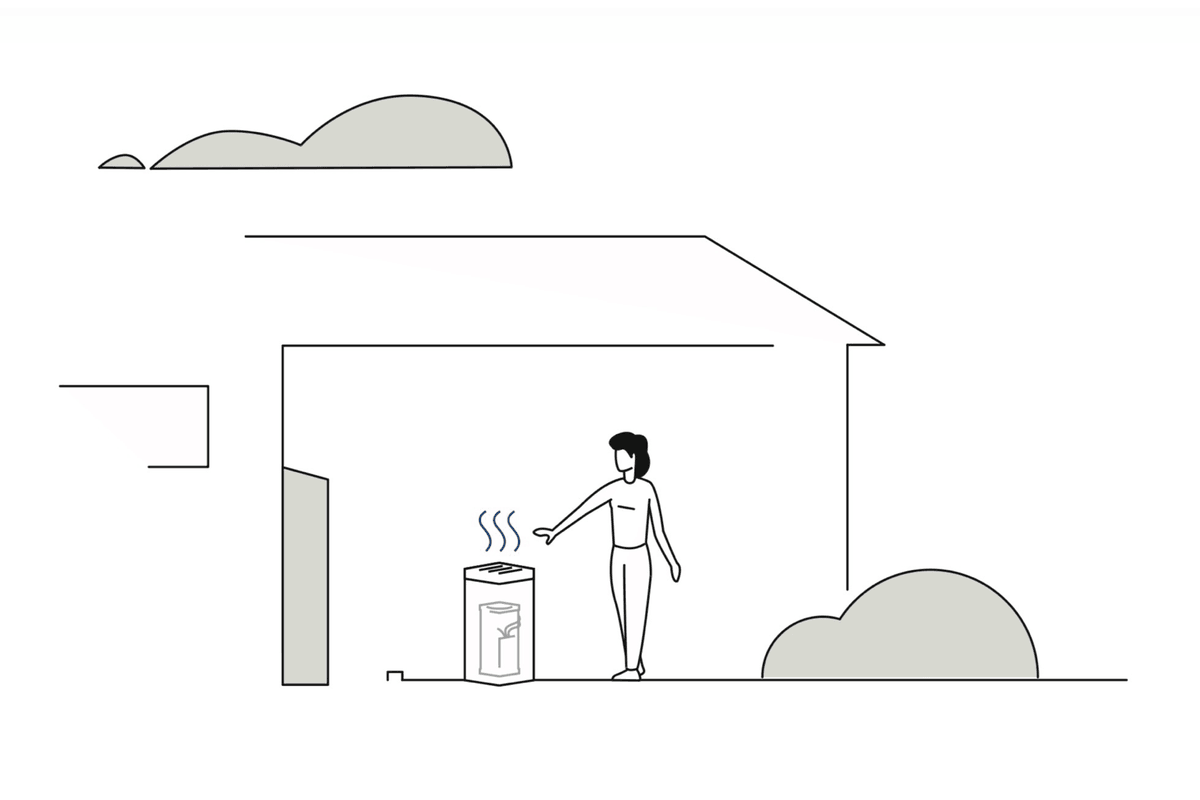
Building-integrated mining puts the miner where the energy is already going. In winter, your heating system earns Bitcoin every time it runs. In summer, it becomes a solar arbitrage machine — routing surplus generation through hashing instead of selling it back to the utility for pennies. One device. Two modes. No extra operating cost.
- Your heating season is your primary mining season
- In summer, excess solar routes through the miner instead of the grid
- Solar Home case study: 3.3× more value per kWh at $0.01/kWh net metering — your advantage scales with your rate
- One device, two outputs — heat and Bitcoin — at no extra cost
Five Ways to Integrate a Miner
Every building already has a heat distribution system. The miner connects to it.

The non-invasive entry point
Smart Zone Heaters
Lower-wattage miners (150W–850W) replace plug-in space heaters room by room. Each pairs with a wireless temperature sensor and a Home Assistant virtual thermostat — on when the room is cold, off when it hits setpoint. No trades required. No ductwork. No plumbing. You can start one room and scale.
Tradeoff: Whole-home coverage requires multiple units. Works best as a distributed system staged with the existing furnace as backup.
Working with your existing ductwork
In-Duct Forced Air
A miner installs inline with the existing return duct, preheating air before it reaches the air handler. When the thermostat calls for heat, the miner fires first. If it can't satisfy the setpoint within the staging delay, the furnace kicks in as backup. If your building has ductwork, you already have an integration point.
Tradeoff: Requires HVAC trades for the duct penetration. Miners run longer continuous cycles than a furnace — factor that into maintenance planning.

The high-performance configuration
Hydronic & Radiant
The miner plumbs into the hydronic return line upstream of the existing boiler, preheating return water before it reaches the boiler. The boiler sees warm water and stays off. When the building needs more heat than the miner can supply, the boiler fires to top up. If the miner fails entirely, the boiler operates normally — redundancy is built into the plumbing.
Tradeoff: Requires a licensed plumber. Higher upfront complexity, but delivers the most comfortable heat (radiant floor) with a dry cooler enabling year-round mining.
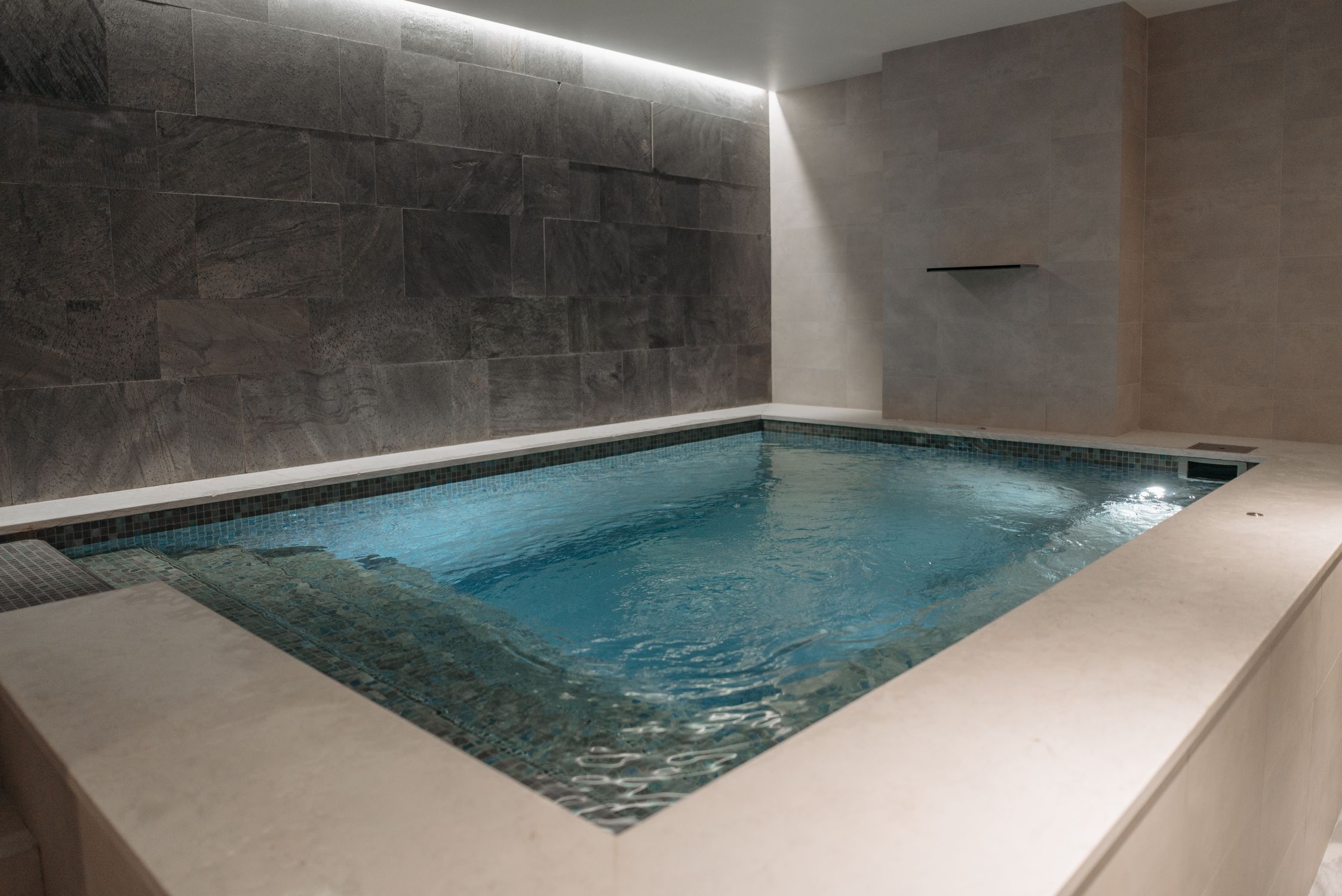
Year-round high duty cycle
Water, Pool & Spa
Heat transfers from the miner to a water volume via heat exchanger — a domestic hot water tank, hot tub, or pool. Because you want hot water year-round regardless of season, the miner runs at a high duty cycle every month of the year. Someone is heating your hot tub. It might as well be Bitcoin.
Tradeoff: Pools require a larger miner to move the thermal mass meaningfully. Hot tubs and domestic hot water tanks are the strongest fit — smaller volume, faster response.
The miner as dispatchable load
Solar & Excess Energy
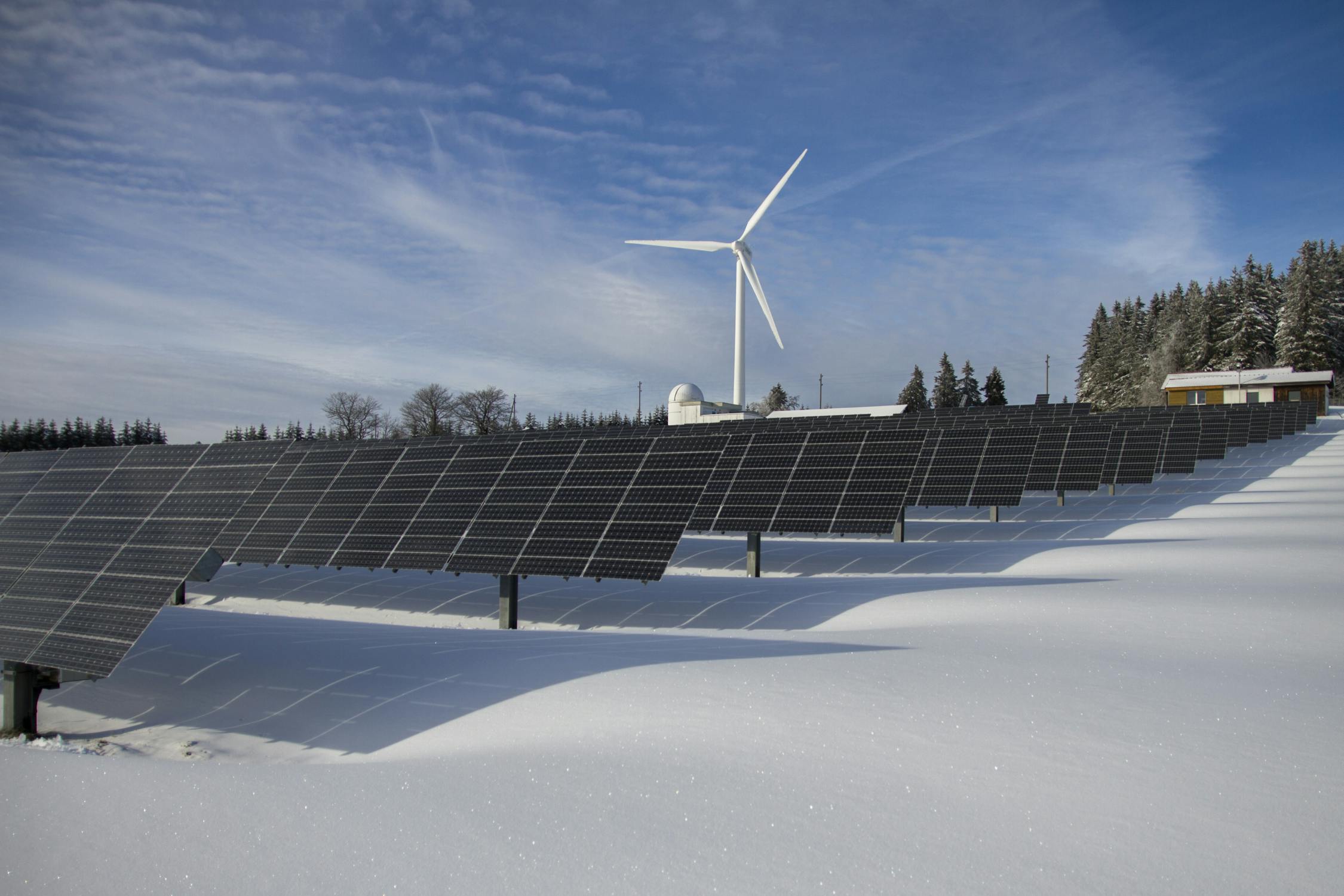
A control layer that stacks on top of any integration type above. When the building's circuit receives more solar than it consumes, Home Assistant ramps the miner up to absorb the surplus before it exports at poor rates. When generation drops, the miner throttles back. In summer, your miner stops being a heater and starts being a solar arbitrage machine.
Tradeoff: Requires a solar system with monitoring Home Assistant can read. A dry cooler or garage placement handles heat dump during non-heating months.
See it in Action
Explore real-world implementations of building-integrated mining — heating loads displaced, solar monetized, Bitcoin earned.
See Case Studies